Emergency gardeners Norwood Green urgent hedge and tree work
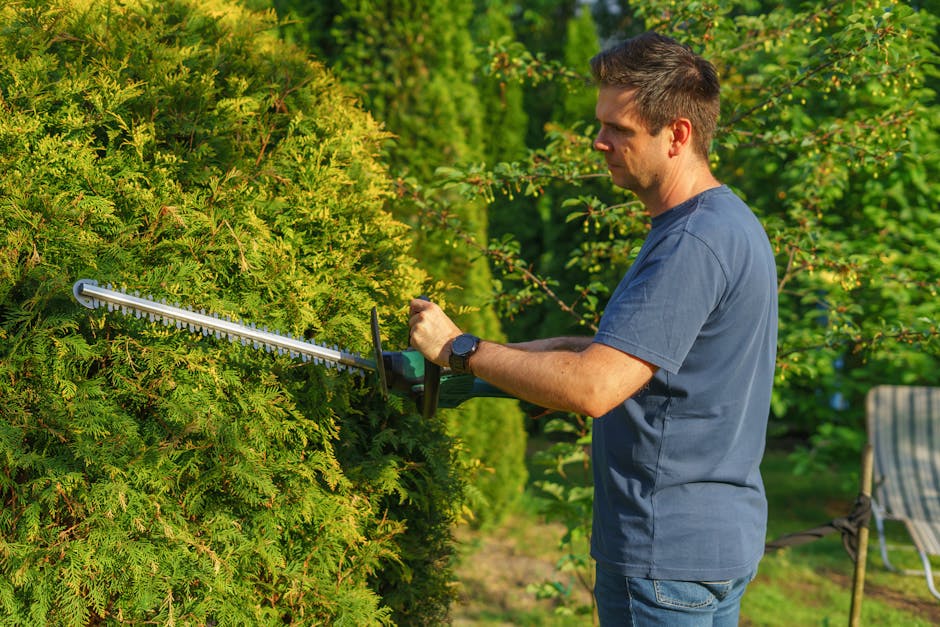
When a hedge suddenly leans into a path, a branch cracks after a windy night, or a tree starts shedding dangerous limbs over a driveway, you do not want a long wait and a vague promise. You want practical help, fast. That is exactly where Emergency gardeners Norwood Green urgent hedge and tree work comes in: a rapid, safety-first response for urgent garden problems that need attention before they get worse.
In real life, these jobs are rarely neat. A fallen twig can turn into a blocked side passage. An overgrown hedge can hide sightlines at the kerb. A split bough can make a garden feel uneasy every time the wind picks up. This guide explains what emergency garden support usually covers, how urgent hedge and tree work is handled, what to expect, and how to make sensible decisions under pressure. If you are weighing up next steps, this should help you breathe a little easier.
Why Emergency gardeners Norwood Green urgent hedge and tree work Matters
Urgent hedge and tree work is about more than tidying up a garden in a hurry. It is often about preventing avoidable damage, reducing risk, and restoring safe access. A hedge that has blown across a pavement or a tree with broken limbs hanging low over a garden is not just untidy; it can be a real hazard. To be fair, most people do not notice the true scale of the problem until they step outside and hear branches scraping, see a blocked gate, or spot a cracked trunk after strong rain.
In Norwood Green, gardens can be compact, shared, and close to neighbouring properties. That makes rapid action especially useful. A delayed response can mean damaged fencing, blocked paths, strained relationships with neighbours, or a bigger job later. Hedge and tree problems also tend to spread. A neglected split branch can tear further in wind. A dense hedge can trap moisture, collapse under weight, or conceal weak growth that is only obvious once it starts failing.
There is also a simple emotional side to it. When the garden looks unsafe, you stop enjoying it. You may avoid letting children out, keep pets in, or worry every time there is a gust of wind. Emergency gardeners help take that pressure off quickly, which is often the real value people want in the moment.
For less urgent but still important hedge shaping and garden control, it can also help to look at regular hedge care such as professional hedge trimming in Norwood Green and the broader support available through garden maintenance.
How Emergency gardeners Norwood Green urgent hedge and tree work Works
Emergency garden work usually starts with a quick assessment. That does not mean a dramatic inspection with clipboards and grand statements. It usually means a practical look at what is unsafe, what is urgent, and what can wait until a later visit. The aim is to stabilise the situation first, then tidy and finish properly if conditions allow.
In an urgent hedge or tree call-out, the process often follows a familiar pattern:
- Initial contact: You explain what happened, where the problem is, and whether there are immediate risks such as blocked access, hanging branches, or damage near a boundary.
- Triage: The job is prioritised by risk. A branch over a public path is more urgent than a hedge that is simply too tall.
- Site assessment: The gardener or tree specialist checks access, the condition of the plant, and any nearby hazards like cables, glass, sheds, fences, or parked vehicles.
- Stabilisation: If needed, the first task is to make the area safe by removing loose material, reducing weight, or clearing obstruction.
- Cutting and removal: Hedge and tree work is carried out using the safest practical method for the conditions, rather than the fastest possible cut.
- Clear-up: Debris is gathered and removed so the space is usable again. No one wants a "finished" job that still looks like a small storm passed through.
- Advice for next steps: If the plant needs follow-up work, you are told what to monitor and when to book a proper revisit.
That last step matters. A lot. The best emergency response does not just make the issue look smaller for an afternoon. It leaves you with a sensible plan for any follow-up pruning, crown reduction, hedge reshaping, stump issues, or boundary repairs that may be needed later.
Where tree work is involved, it is common for the urgent response to sit alongside broader specialist support such as tree surgery. If the problem also affects borders, access routes, or privacy screening, the team may suggest a longer-term fix through landscaping.
Key Benefits and Practical Advantages
People usually call for urgent help because something feels off, and they are often right. The benefits of fast hedge and tree work are practical first, but they have a knock-on effect on comfort and confidence too.
- Immediate safety improvement: Loose limbs, low growth, and blocked access points are dealt with before someone gets hurt.
- Reduced property risk: Quick action can help limit damage to fencing, sheds, cars, patios, and nearby structures.
- Better access: Paths, gates, drives, and side passages become usable again.
- Cleaner appearance: A garden that has been brought back under control feels calmer straight away.
- Less neighbour friction: Overhanging growth and encroachment can be handled before they become a bigger issue.
- More informed next steps: A good emergency visit often reveals underlying problems that would otherwise stay hidden.
There is another advantage people forget: urgency often prevents overreaction. If you wait too long, a small branch crack can seem like a full tree failure. If you respond promptly, you may only need selective pruning or safe removal of a damaged section. That is usually cheaper, cleaner, and less disruptive. Simple, really.
For households that want to keep outdoor spaces attractive after urgent clearance, related guidance such as building a weather-resistant garden oasis and strategic planting to reduce wind disturbance can be surprisingly useful for planning ahead.
Who This Is For and When It Makes Sense
Emergency gardeners are for anyone facing a garden problem that has moved beyond routine maintenance. That could be a homeowner, landlord, tenant, property manager, or business owner. If the situation feels awkward, unsafe, or time-sensitive, it probably belongs in the urgent category.
Typical situations include:
- storm-damaged hedges or branches
- trees leaning after high winds
- overgrown hedges blocking sightlines or access
- broken limbs hanging above driveways, paths, or play areas
- fallen debris across shared garden spaces
- rapidly spreading growth after a long spell of rain and mild weather
- hedges or trees encroaching on fences, outbuildings, or neighbouring gardens
It also makes sense if you are dealing with a property handover, a complaint from a neighbour, or an inspection deadline. In those cases, people often need more than a tidy finish; they need the issue resolved in a way that can be explained clearly. Not fancy, just sensible.
There are also seasonal moments when these calls rise. Autumn winds, winter storms, and sudden summer squalls can each expose weaknesses in trees and hedges. You might notice a crack at 8am that wasn't there the night before. Gardens can change fast, especially when the weather turns.
Step-by-Step Guidance
If you are trying to decide what to do right now, use a simple sequence. It keeps things calm and avoids rushed mistakes.
- Stay clear of the risk area. Do not stand under hanging limbs or pull at branches that look stuck. That is one of those "seems harmless until it isn't" moments.
- Check for immediate danger. Look for movement in the tree, split stems, blocked exits, exposed wires, or sharp debris.
- Take a few photos from a safe distance. They help with explaining the issue and can support a clearer quotation or plan.
- Describe the access conditions. Narrow side gates, locked communal areas, or tight rear access all affect how quickly a team can work.
- Be specific about what changed. Mention whether the problem followed wind, weight of growth, or an earlier cut that may have left the plant unbalanced.
- Ask what can be made safe first. In many cases, the urgent task is partial removal or stabilisation, not full reshaping.
- Plan the follow-up. Once the immediate risk has gone, ask whether the hedge or tree needs later corrective work.
A useful rule of thumb: if the issue is affecting safety, access, or property protection, treat it as urgent. If it is mainly cosmetic, it can often wait for a scheduled visit. The distinction sounds obvious, but in the moment it is easy to blur the two.
Expert Tips for Better Results
Good emergency work is not only about speed. It is about choosing the right cut, the right order, and the right level of intervention. A few expert habits make a real difference.
- Prioritise structure before appearance. First make the plant safe and stable. Shape comes after.
- Leave enough live growth where possible. Overcutting stressed hedges or trees can make recovery slower.
- Keep cuts clean. Ragged pruning can invite more damage, especially on storm-weakened wood.
- Work with the weather, not against it. Wet, windy, or fading-light conditions change how safely the job can be done.
- Look for the cause, not just the symptom. A split hedge may point to shallow rooting, poor prior pruning, or wind exposure.
If you are deciding on hedge species or longer-term screening after urgent work, the blog post on thriving hedge selections for quick seclusion is a handy read. And if your garden has younger family members or pets running around, safe garden planning for children is worth a look too.
One more small thing. Don't rush to "make it neat" by chopping everything back evenly. That looks tidy for five minutes and then can look oddly brutal. Nature notices. The plant notices too.
Common Mistakes to Avoid
Urgent jobs invite rushed decisions, and that is where trouble starts. The aim is to reduce risk, not create another problem down the line.
- Standing too close for a better look. If a limb is already cracked, it can fail without warning.
- Trying to pull down a hung-up branch by hand. This is one of the quickest ways to get into trouble.
- Assuming the whole tree or hedge must come out. Sometimes selective work is enough.
- Ignoring neighbouring boundaries. Shared spaces and party boundaries need careful handling.
- Leaving debris in a walkway. Even small cuttings can become a slip hazard.
- Choosing a purely cosmetic cut. Neatness is fine, but safety comes first.
Another mistake is forgetting the aftermath. Urgent hedge and tree work may reveal missing fence panels, exposed roots, or damaged edging. That is where a broader tidy-up can matter, whether through fencing repairs, general upkeep, or ongoing maintenance support.
Tools, Resources and Recommendations
Emergency gardeners use a mixture of cutting, stabilising, clearing, and protective equipment depending on the job. The exact kit will vary, but the priorities are usually the same: control, reach, safety, and clean removal.
| Tool or resource | What it helps with | Why it matters in urgent work |
|---|---|---|
| Hand pruners and loppers | Smaller stems and hedge corrections | Allows precise cuts without overworking the plant |
| Pole saw or long-reach cutting tools | Higher branches | Reduces the need for risky stretching or unstable ladders |
| Protective gloves and eye protection | Flying chips, thorns, splinters | Basic safety, but honestly, essential |
| Ropes, supports, or stabilising methods | Managing partially damaged limbs | Helps control movement before cutting |
| Green waste bags or collection equipment | Clear-up and removal | Restores safe access quickly |
If you are improving the rest of the garden at the same time, useful companion reading includes turning organic waste into useful compost and ground cover ideas that soften the finished space. Those pieces are less urgent, but they help the recovery feel intentional rather than patchy.
For people who like practical planning, the most helpful resources are usually not fancy. A simple note of what failed, when it happened, and what was nearby is often enough to brief a team properly. Good information saves time. That's just the truth of it.
Law, Compliance, Standards, or Best Practice
Urgent hedge and tree work is not only about gardening skill. It also sits close to safety, property boundaries, and, in some cases, public access. The exact duties vary by situation, so the safest approach is careful, proportionate work and a clear understanding of responsibility.
In normal UK practice, tree and hedge work should be carried out with attention to:
- public and household safety around paths, drives, and entrances
- property boundaries where branches or hedges may overhang
- safe working methods for cutting at height or near hazards
- appropriate waste handling and tidy removal of debris
- reasonable care for living plants so urgent work does not become unnecessary damage
If the job involves a large tree, damaged structural wood, or anything close to overhead hazards, it is sensible to use a specialist approach rather than improvised cutting. Insurance and safety matter here. You can read more about that in the site's insurance and safety information and the health and safety policy.
For customer-facing expectations, clear quotes, payment terms, and complaint handling also matter. That is especially true when a job is urgent and emotions are running a bit high. Useful pages to review include pricing and quotes, payment and security, and complaints procedure. A transparent process is calming when you need it most.
Options, Methods, or Comparison Table
Not every hedge or tree problem needs the same answer. Here is a simple comparison that reflects how urgent work is often approached.
| Method | Best for | Strengths | Trade-offs |
|---|---|---|---|
| Selective pruning | Small storm damage, awkward growth, blocked access | Fast, controlled, often less disruptive | May need a follow-up visit for shaping |
| Hazard reduction | Broken limbs, unstable sections, immediate risk | Prioritises safety quickly | Appearance may be secondary for now |
| Full hedge reduction | Severe overgrowth or boundary problems | Restores control and access | Can be more noticeable and may need careful timing |
| Tree surgery intervention | Large trees, major damage, structural concerns | More specialist handling of risk and recovery | May require more planning and equipment |
If your concern is mainly about keeping the garden private after urgent work, the guide on fast-growing hedge selections can help you think beyond the immediate repair. For shape ideas and finishing touches, creative hedge trimming shapes offers a useful next step.
Case Study or Real-World Example
Here is a typical situation, drawn from the kind of work people often need after a rough spell of weather.
Late on a blustery evening, a homeowner notices that a mature hedge at the back of the garden has started to collapse outward. A neighbouring fence is visible through it, one side of the path is blocked, and there is a heavy branch resting awkwardly across the top. The space is not completely impassable, but it does not feel safe either. By the next morning, a few more stems have twisted loose and leaves are scattered across the patio.
The right response is not to "have a quick go" with whatever shears happen to be in the shed. Instead, the gardener assesses the damage, clears the obstructive material, reduces the weight on the most vulnerable section, and removes any obviously unsafe pieces. Once the immediate hazard is gone, the hedge can be rebalanced and, if needed, later reshaped more carefully. The result is practical: access restored, risk reduced, and the garden usable again.
That kind of job often reveals a few extra issues too. The fence may need attention. The hedge may need a better wind-facing cut. The nearby border might benefit from more resilient planting, perhaps even one of the ideas from wind-disturbance planting strategies. Small adjustments can make a big difference the next time the weather turns nasty.
Practical Checklist
Use this quick checklist before and during an urgent visit. It keeps things focused when you are dealing with a problem in a hurry.
- Check whether anyone is in immediate danger.
- Keep people and pets away from hanging or unstable growth.
- Take safe-distance photos of the issue.
- Note if the problem followed wind, rain, or another recent change.
- Measure access points if the area is tight or difficult to reach.
- Identify nearby risks such as fences, glass, sheds, cars, or paths.
- Ask whether the job needs simple clearance or more technical tree work.
- Confirm what will happen to the cuttings and debris.
- Plan any follow-up shaping, hedge reduction, or tree care.
- Keep records of the work if the property is rented, shared, or managed.
A small practical tip: if you are using the garden later the same day, mention that up front. It can affect what gets prioritised first. Simple detail, big difference.
For ongoing garden tidying after an urgent call-out, the broader gardening services and lawn care pages can help round things out once the immediate risk has been handled.
Get a free quote today and see how much you can save.
Conclusion
Urgent hedge and tree work is one of those jobs that feels small until it is suddenly not. A cracked branch, an overblown hedge, or a leaning tree can shift from nuisance to hazard very quickly, especially in windy weather or on tight boundaries. The best emergency response is calm, practical, and focused on safety first, then tidy recovery, then sensible follow-up.
If you are in Norwood Green and something in the garden looks unstable, do not wait for the next gust to make the decision for you. Deal with the risk early, keep the space safe, and then think about the longer-term shape afterwards. That way the garden becomes usable again instead of something you keep avoiding. And that, honestly, is what most people really want.
Sometimes the quickest fix is also the kindest one. The garden settles, the worry eases, and you can get back to hearing birds instead of worrying about branches.
Frequently Asked Questions
What counts as emergency hedge and tree work?
It usually means urgent action is needed because a hedge or tree is causing a safety issue, blocking access, leaning badly, or showing signs of storm damage. If it could get worse quickly, it is probably urgent.
Can emergency gardeners remove a fallen branch the same day?
Often, yes, if access is possible and the situation is safe to work on. The exact timing depends on the scale of the job, weather, and whether specialist tree work is required.
Should I call for help if a tree is leaning but still standing?
Yes, if the lean is new or clearly worse than before. A leaning tree may be stable, but it may also be signalling root movement, wind damage, or structural weakness. Better to check than guess.
What should I do before the gardeners arrive?
Keep people and pets away from the area, take photos from a safe distance, and make note of any immediate hazards like wires, vehicles, or blocked gates. Do not try to cut unstable material yourself.
Is urgent hedge work different from routine hedge trimming?
Yes. Routine hedge trimming is planned for appearance, shape, and growth control. Urgent hedge work is about safety, access, or damage control first, with appearance coming second.
Will emergency tree work damage the tree?
Any cutting changes the tree, but careful urgent work aims to remove risk while preserving as much healthy structure as possible. Good practice is to avoid excessive cutting unless safety requires it.
How do I know if the problem is too dangerous to handle myself?
If you are dealing with height, unstable branches, hidden cracks, awkward access, or power lines nearby, do not handle it yourself. That is the point where professional help is the safer choice.
Can a hedge that has collapsed be saved?
Sometimes, yes. If the root system is sound and the damage is limited, selective reduction and support may help. If the hedge is extensively broken or uprooted, removal may be the more practical answer.
What happens to the waste after urgent hedge or tree work?
Usually it is collected and cleared away as part of the job, although the exact arrangement depends on the service and site conditions. It is worth confirming this before work begins.
Do urgent jobs cost more than booked maintenance?
They can, because they often involve faster response, more complex access, or higher-risk work. It is sensible to ask for a clear quote and understand what is included before agreeing to anything.
Is there a best time of year for hedge and tree work?
Routine pruning often depends on the species and the aim of the work, but urgent jobs are driven by safety and damage rather than the calendar. If there is a hazard, timing comes second.
Where can I find more help if the garden needs more than one fix?
If the problem spreads beyond the hedge or tree, it can help to look at broader services such as fencing, patio cleaning, or the wider gardening services offering, depending on what the garden needs next.