Garden maintenance case study Norwood Green Road: a practical look at what good upkeep really involves
If you have ever looked at a front or back garden and thought, "It was fine a few months ago... what happened?", you are not alone. A garden can slide from tidy to tired surprisingly fast, especially on a busy residential road where weather, shade, foot traffic, and day-to-day life all leave a mark. This Garden maintenance case study Norwood Green Road explores what effective upkeep looks like in the real world: steady, sensible, and tailored to the space rather than forced into a one-size-fits-all routine.
It is written for homeowners, landlords, and anyone responsible for a private outdoor space who wants a clearer picture of how maintenance plans work, what problems they solve, and what standards to expect. We will also cover the practical side - from lawn care and hedge trimming to patio cleaning, garden clearance, and the kind of seasonal checks that stop small issues becoming irritating ones. Nothing flashy. Just useful, grounded guidance.
To keep things easy to follow, the article also links to relevant pages for broader service and policy information, such as garden maintenance support, lawn care, and the company's pricing and quotes information.
Table of Contents
- Why Garden maintenance case study Norwood Green Road Matters
- How Garden maintenance case study Norwood Green Road Works
- Key Benefits and Practical Advantages
- Who This Is For and When It Makes Sense
- Step-by-Step Guidance
- Expert Tips for Better Results
- Common Mistakes to Avoid
- Tools, Resources and Recommendations
- Law, Compliance, Standards, or Best Practice
- Options, Methods, or Comparison Table
- Case Study or Real-World Example
- Practical Checklist
- Conclusion
- Frequently Asked Questions
Why Garden maintenance case study Norwood Green Road Matters
Garden maintenance often gets treated as a cosmetic job, but that misses the point. A well-kept garden supports the whole feel of a property. It improves first impressions, makes day-to-day use easier, and reduces the kind of build-up that turns into bigger work later on. In a busy residential setting, even a modest outdoor space can become untidy quickly if it is left between seasons.
On Norwood Green Road, the sort of maintenance people usually need is not dramatic landscaping. It is the steady stuff: lawn cutting, hedge trimming, border tidying, leaf clearance, weed control, patio washing, and occasional pruning. The value comes from consistency. A garden that is maintained properly tends to need less corrective work, and that is often where savings appear. Not overnight, but over time.
This matters for more than appearance. Overgrown shrubs can block light. Unchecked lawns can thin out or become patchy. Wet patios can get slippery. Dead growth can hide pests or disease. Left alone for a season or two, a garden can shift from manageable to awkward. And awkward gardens are the ones that start costing more than they should.
There is also a human side to it. A neat outdoor space gets used more. You sit out for tea longer. Children have more room to play. A landlord has fewer complaints. A family arriving home after a long day sees a place that feels cared for. That does count.
Expert summary: Good garden maintenance is not about making every space look perfect every week. It is about keeping the site healthy, safe, and easy to enjoy with regular, proportionate work.
How Garden maintenance case study Norwood Green Road Works
A proper maintenance plan starts with a simple assessment. What is actually growing here? What needs routine attention, and what needs one-off correction? You cannot maintain a garden well if you do not understand its habits. Some gardens are shade-heavy and moss-prone. Others are sunny, fast-growing, and forever asking for the mower. Different problem, same logic.
In practice, the work is usually built around repeatable tasks. A typical maintenance visit may include mowing, edging, weeding, cutting back soft growth, checking hedge lines, clearing debris, and cleaning surfaces. If the garden has more structure, the plan may also include light pruning, border reshaping, or seasonal planting support. Where trees are involved, maintenance can move into more specialist territory, which is where tree surgery services or tree lopping and removal may be relevant if safety or clearance becomes an issue.
For many homes, a good approach is to split work into layers:
- Routine tasks: mowing, edging, sweeping, deadheading, light weeding.
- Seasonal tasks: pruning, leaf clearance, feeding, mulching, cutting back.
- Corrective tasks: clearing overgrowth, restoring beds, pressure-free patio cleaning, fixing neglected corners.
That layered approach keeps the garden from drifting. It also keeps costs more predictable because you are not waiting until everything is overgrown and suddenly expensive to sort out. Truth be told, that is how a lot of people end up calling for garden clearance in a rush. Not because they wanted a big job, just because the little jobs got away from them.
Good maintenance also respects the layout of the space. A long narrow garden needs different handling than a compact rear patio garden. Lawns near mature trees behave differently from those in open sun. A tidy result should feel natural to the space, not forced.
Key Benefits and Practical Advantages
The benefits of regular garden maintenance are easy to list, but the real value is in how they work together. Better appearance is only the start.
- Healthier planting: Regular care helps plants recover, breathe, and grow in a more balanced way.
- Better lawn condition: Routine mowing and feeding support denser, more even grass.
- Reduced overgrowth: Small cuts are easier than major cutbacks later.
- Safer surfaces: Moss, algae, and wet leaf build-up can be managed before they become slippery.
- Less stress: You do not get the familiar "I should really deal with that" feeling every weekend.
- Improved property presentation: Helpful for homeowners, landlords, and anyone preparing a home for sale or rent.
There is also a practical maintenance benefit that people often overlook: routine visits make it easier to spot early warning signs. A patch of discoloured grass, a hedge that is not regrowing evenly, or a damp corner by a fence can all signal something slightly deeper. Catching those signs early gives you more options. Later on, not so much.
If your outdoor space includes paving, keeping it clean can be especially worthwhile. A surface that is periodically washed and cleared feels very different from one with algae, grime, or summer debris ground into it. A related service like patio cleaning can make a noticeable difference without requiring full resurfacing or heavy work.
Who This Is For and When It Makes Sense
Garden maintenance makes sense for more people than you might think. You do not need a large ornamental garden to justify it. In fact, smaller spaces can become messy faster because there is nowhere for clutter, fallen leaves, or weeds to hide.
This kind of service is usually a good fit for:
- Busy homeowners who want the garden to stay presentable without spending every Saturday on it.
- Older residents who want to keep outdoor areas manageable and safe.
- Landlords who need rental gardens kept in a reasonable condition between tenancies.
- Families who need a usable space, not a constant project.
- Home sellers looking to improve kerb appeal before viewings.
- People returning after a period of neglect who need a calm, staged way back to order.
When does it make sense to book? Usually when you notice one of these signs: the grass is growing unevenly, the hedges are losing shape, weeds are showing up in familiar spots, or the patio is becoming more mossy than clean. Another clue is emotional. If you are avoiding the garden because it feels like a job rather than a space, that is a pretty strong signal.
Some clients need ongoing maintenance every couple of weeks through the growing season. Others only need a spring reset and an autumn tidy-up. There is no prize for doing more than necessary. The right schedule is the one that fits the garden and the people using it.
Step-by-Step Guidance
If you are planning maintenance for a property on or around Norwood Green Road, a sensible process helps keep the work efficient and the results consistent. Here is the usual flow.
- Assess the garden as it stands. Look at lawn condition, hedge height, weed pressure, access, surface areas, and any awkward corners.
- Separate routine work from one-off recovery work. A garden that needs regular mowing is different from one that needs a full clear-out first.
- Set priorities. Safety issues and access problems come first. Then the visible areas. Then the detail work.
- Choose the right frequency. Weekly, fortnightly, monthly, or seasonal. The growing rate and garden use should drive this.
- Carry out the main maintenance tasks. This may include mowing, trimming, tidying beds, edging, and clearing waste.
- Deal with leftovers properly. Green waste and debris should be removed or recycled in a sensible, responsible way. The company's recycling and sustainability approach is worth considering if waste handling matters to you.
- Review what changed. A good maintenance visit should leave you with a clearer idea of what to do next, not just a neat-looking patch of grass for a week.
A small but useful habit: take photos before and after, especially if the garden is shared, rented, or looked after by different people. It avoids vague arguments later. Nothing dramatic. Just useful.
Expert Tips for Better Results
Over time, a few patterns become obvious. Gardens stay easier to manage when the work is light and regular, rather than heavy and sporadic. That sounds simple because it is, but people still get caught out by the "I'll do it next week" effect.
Here are a few practical tips that make a genuine difference:
- Cut little and often during growth spurts. Waiting until everything has shot up usually means more stress on the plant and more work for you.
- Keep edges defined. Strong lawn edges make the whole space look tidier, even if the rest is modest.
- Do not ignore shade areas. Moss and damp patches often start there first.
- Prune with a purpose. Trim to shape, improve light, and reduce congestion - not just because a branch looks annoying.
- Leave enough growth on shrubs. Hard hacking can look dramatic, but not always in a good way.
- Think in seasons, not just weeks. What works in April will not suit October.
Another small tip: if a garden has both soft landscaping and hard surfaces, clean the hard surfaces before the final tidy-up. Otherwise, leaf litter and soil end up back where they started. Slightly annoying, that one.
If the garden has structural features such as fencing or decking, do not treat them as separate from maintenance. A worn fence or slippery deck changes how the whole garden feels. Services like fencing and decking services can become relevant when the outdoor space needs more than simple tidying.
Common Mistakes to Avoid
One of the biggest maintenance mistakes is waiting too long between visits. A small patch of weeds becomes a spread. A hedge loses its clean line. A lawn goes from patchy to thin. None of these things are catastrophic on their own, but together they create a garden that always feels a bit behind.
Other mistakes show up more quietly:
- Over-cutting shrubs and hedges in one go, which can leave bare sections or stress the plant.
- Ignoring drainage or damp spots and treating the symptom instead of the cause.
- Using the wrong mowing height for the time of year or grass condition.
- Clearing everything at once when a phased approach would protect planting and reduce waste.
- Assuming all green waste can be left in one pile for later. Spoiler: later usually becomes never.
- Neglecting safety around tree work and attempting tasks that are better left to specialist hands.
There is also a temptation to make gardens look "finished" in a day. Sometimes that is realistic. Often it is not. A neglected garden may need a first clear and then follow-up maintenance visits. That is normal. Better to reset properly than force a rushed result that needs redoing a fortnight later.
Tools, Resources and Recommendations
You do not need a shed full of professional gear to understand what a good maintenance service should involve, but it helps to know the basics. At a minimum, effective garden upkeep often relies on:
- mowers suited to the lawn size and access
- hedge trimmers for shaping and reduction
- secateurs and loppers for targeted pruning
- rakes, blowers, and sweepers for clearing debris
- spades, hand forks, and hoes for border and weed work
- safe waste bags or bins for collected green waste
If you are comparing service levels, ask what is included in routine maintenance versus what counts as an additional task. That distinction matters. For example, lawn mowing may be included regularly, while a one-off restoration of a neglected border or a large-scale garden clearance may be priced separately.
It is also worth checking how the business handles scheduling, communication, and safety. A clear process for appointments, payment, and site care is a sign of maturity, not bureaucracy. The same goes for practical trust signals such as insurance and safety and the company's health and safety policy. Boring? Maybe a little. Important? Absolutely.
Law, Compliance, Standards, or Best Practice
Garden maintenance is not usually a heavily regulated activity in the way some trades are, but there are still clear expectations around safety, waste handling, and reasonable care. In the UK, best practice means working in a way that reduces risk to people, neighbours, and property. That includes safe tool use, sensible ladder work, careful handling of cuttings, and proper attention to trip hazards, sharp edges, and slippery surfaces.
For private properties, the main practical concerns tend to be straightforward: keep paths usable, avoid unsafe overgrowth, do not create hazards while working, and dispose of waste responsibly. If tree work is involved, caution matters even more. Anything beyond light pruning may require specialist judgement, especially where branches overhang structures or access is tight.
Good providers should also be transparent about business terms, payments, complaints handling, and privacy. That is why pages such as terms and conditions, payment and security, and privacy policy are worth reviewing before you book. It helps set expectations early and prevents awkward misunderstandings later on.
One more thing: sustainability is not just a nice extra. Where possible, reuse, compost, recycle, and avoid unnecessary waste. That is usually the quiet difference between a service that merely clears and one that actually cares.
Options, Methods, or Comparison Table
Not every garden needs the same level of attention. Sometimes the best decision is simply choosing the right method for the job. Here is a practical comparison that may help.
| Approach | Best for | Strengths | Limitations |
|---|---|---|---|
| Routine maintenance visits | Gardens that stay in use year-round | Keeps growth under control, predictable, low drama | Less suitable if the garden is already badly neglected |
| Seasonal tidy-up | Smaller gardens or low-use spaces | Good for spring and autumn resets, flexible | Can allow growth to spike between visits |
| One-off restoration | Overgrown or abandoned gardens | Fast visual impact, clears the backlog | Usually more intensive and may need follow-up care |
| Combined maintenance and landscaping | Gardens needing both upkeep and layout improvements | Can solve practical and visual issues together | More planning required, may take longer |
For some properties, maintenance alone is enough. For others, you may need a broader reset that includes landscaping or landscape gardening to fix structural issues or improve how the garden flows. That is not a failure. It is just honest planning.
Case Study or Real-World Example
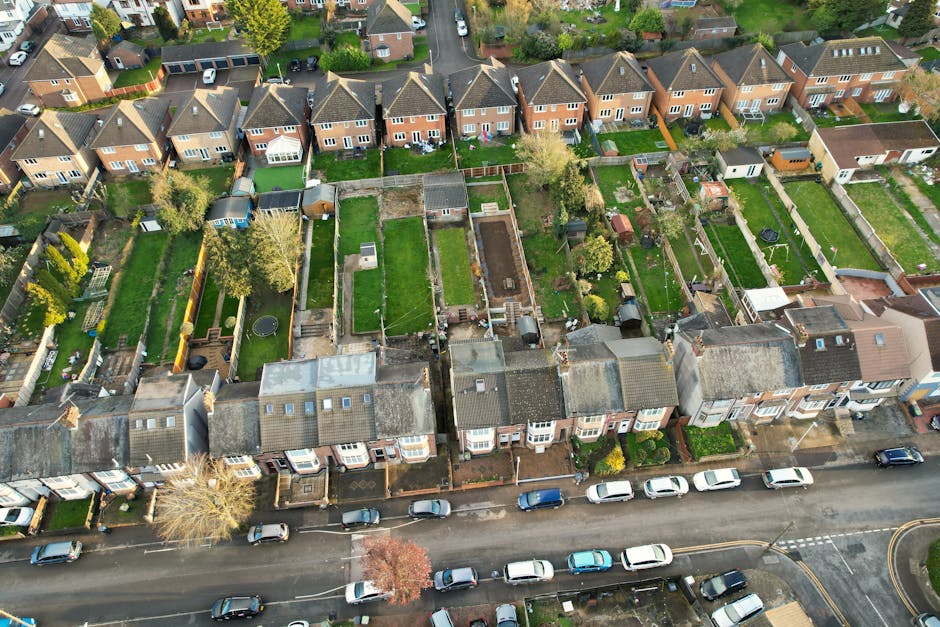
Here is a realistic example of how this kind of work often unfolds, without pretending that every garden is identical. A homeowner on Norwood Green Road had a rear garden that looked manageable from the house but felt heavier once you stepped outside. The lawn had become uneven, the hedge line had drifted, the patio was marked with grime, and the borders were full of small weeds that had quietly won the argument.
The first visit focused on restoring shape and visibility. The lawn was cut and edged, the hedge was trimmed back to a clean line, the borders were weeded, and debris was cleared from corners where it had been collecting. The patio needed a proper wash as well; you could see the difference once the surface was no longer dull and blotchy underfoot. It suddenly felt like a space again, not a backlog.
After that, the maintenance plan shifted from rescue mode to control mode. Regular mowing kept the grass even. Smaller hedge trims prevented the line from escaping. Light border work stopped weeds becoming embedded. The garden did not need constant attention - just enough to stay ahead of growth. That is the sweet spot, really.
What did the client gain? Less visual clutter, easier access, a safer surface, and a garden that could be used without a mental sigh every time the back door opened. Small improvements, yes. But stacked together, they changed the feel of the whole property.
In our experience, this is the pattern most people want: not a show garden, just a reliable one. Easy to live with. Easy to enjoy.
Practical Checklist
Use this quick checklist if you are planning maintenance for a similar property.
- Check the current condition of the lawn, hedges, borders, and hard surfaces.
- Decide whether you need routine upkeep, a one-off clear-up, or both.
- Identify any safety concerns such as slippery areas, sharp overgrowth, or obstructed paths.
- Ask what is included in the maintenance visit and what counts as extra work.
- Clarify how waste will be removed or recycled.
- Confirm how often the garden should be maintained through the growing season.
- Look at whether fencing, decking, or trees need separate attention.
- Review service terms, payment details, and privacy information before booking.
- Keep a note of what changed after the first visit so the next one can be planned properly.
- Reassess seasonally, because gardens do not behave the same way all year. Not even close.
If you want to explore broader service options, the main gardening services page can help you understand how maintenance fits alongside other outdoor work.
Get a free quote today and see how much you can save.
Conclusion
A good garden maintenance plan is quiet work. It prevents problems, keeps the space usable, and avoids the big panic-clear that so many people end up booking after one too many wet weekends. A Garden maintenance case study Norwood Green Road is useful because it shows the real pattern: assess, prioritise, tidy, maintain, review. Simple on paper, but it makes a world of difference when it is done well.
If you take one thing from this article, let it be this: consistency beats rescue work almost every time. Whether you need mowing, hedge trimming, patio cleaning, tree care, or a more complete reset, the smartest approach is the one that fits the garden you actually have. Start there, and the rest gets easier.
And if the garden is currently staring back at you a bit too defiantly, that is fine. Most good spaces begin with a straightforward first step and a bit of patience after that.
Frequently Asked Questions
What does a garden maintenance case study actually show?
It shows how a real garden was assessed, improved, and then kept in better condition over time. The value is in the process: what problems were found, what work was prioritised, and how the garden was brought back into shape without unnecessary work.
How often should a garden on Norwood Green Road be maintained?
That depends on the size of the garden, the amount of planting, and how quickly things grow. Many gardens do well with fortnightly or monthly attention during the growing season, then lighter seasonal visits at other times.
Is garden maintenance different from landscaping?
Yes. Maintenance is about keeping an existing garden healthy and tidy. Landscaping usually involves changing the layout, structure, or features of the space. They can overlap, but they are not the same thing.
What tasks are usually included in regular garden maintenance?
Common tasks include mowing, edging, weeding, hedge trimming, light pruning, debris removal, and keeping paths or patios clear. Some visits also include seasonal jobs like leaf clearance or cutting back soft growth.
When should I choose garden clearance instead?
If the garden is heavily overgrown, cluttered, or has not been looked after for a long time, a clearance may be the better starting point. After that, regular maintenance is usually much easier to keep on track.
Can garden maintenance help improve kerb appeal?
Yes, very much so. A neat lawn, tidy borders, and clean paths create a better first impression straight away. That matters whether you are selling, letting, or simply want the home to feel more cared for.
What if my garden has patio staining or slippery areas?
That is often best dealt with as part of maintenance, especially if algae, moss, or dirt is affecting safety or appearance. A targeted clean can make the space feel noticeably fresher and safer underfoot.
Do I need specialist help for trees in the garden?
If the work is limited to small, safe trimming, it may be part of routine upkeep. But if branches are large, overhanging structures, or showing signs of damage, specialist tree work is the safer option.
How do I know whether I need routine maintenance or a one-off reset?
If the garden is already reasonably under control, routine maintenance is usually enough. If growth is out of hand, weeds are embedded, or surfaces are hidden by debris, a reset first is often the more sensible choice.
What should I ask before booking a maintenance service?
Ask what is included, how often the work should be done, how waste is handled, whether any extra tasks are priced separately, and what happens if the garden needs more than a standard visit. Clear answers upfront save a lot of confusion later.
Is sustainable waste handling important in garden maintenance?
Yes. Green waste, prunings, and debris should be handled responsibly where possible. Recycling and reuse are not just good practice; they also help keep maintenance tidy and efficient.
Where can I learn more about the company before getting started?
You can review the company's about us page, along with practical information such as pricing and quotes and service details across the site. That gives you a clearer picture before you decide how to proceed.