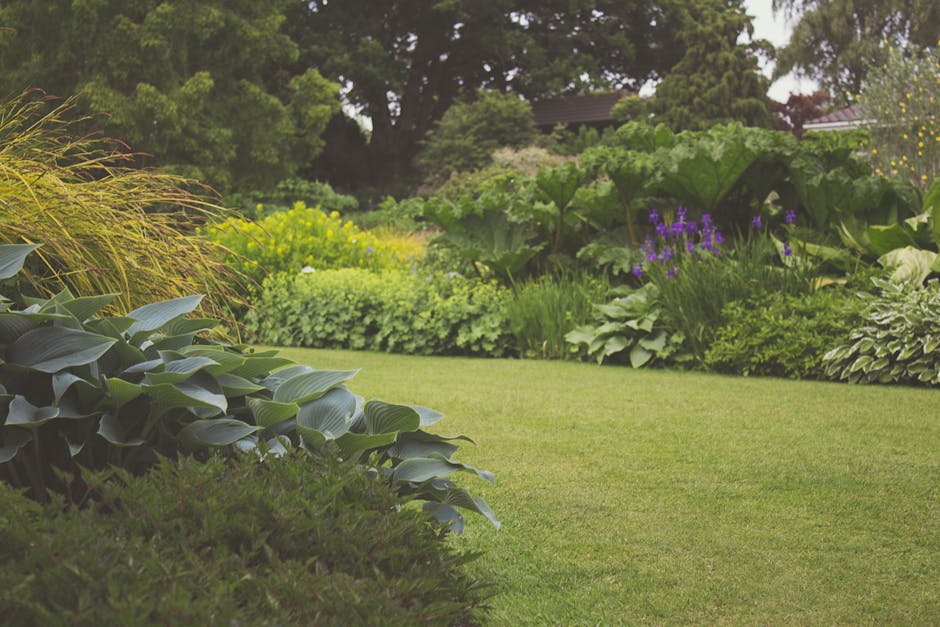
Garden maintenance Southall Broadway Norwood Green: a practical local guide to keeping your outdoor space in shape
If your garden in Southall Broadway or Norwood Green has started to feel a bit unruly, you are not alone. British gardens have a way of changing quickly - a week of rain, a warm spell, then suddenly the lawn is patchy, the hedge is reaching for the fence line, and weeds are getting ideas above their station. Garden maintenance Southall Broadway Norwood Green is about more than tidying up. It is the steady, thoughtful care that keeps a garden healthy, usable, and pleasant to look at all year round.
This guide explains what regular maintenance includes, how it works in practice, when it makes sense to bring in help, and what to watch out for. Whether you are looking after a compact urban plot, a shared frontage, or a larger family garden, the aim is the same: less stress, better growth, and a space you actually want to spend time in.
Why Garden maintenance Southall Broadway Norwood Green Matters
A garden rarely fails all at once. It slips. A few weeds here, a hedge left untouched there, a border that looks fine from the kitchen window but is quietly becoming overgrown. By the time a space feels neglected, the work needed is usually more disruptive and more expensive than it would have been with regular care. That is the simple truth of it.
In busy parts of West London, gardens also work harder than people sometimes realise. They cope with shade from neighbouring buildings, limited space, foot traffic, pets, wind tunnels between houses, and the usual seasonal swing of wet, dry, and frosty spells. Good maintenance is what keeps those pressures from turning into bigger issues such as lawn dieback, poor drainage, damaged planting, or safety hazards from slippery paths and tangled growth.
There is also the day-to-day benefit that matters most to homeowners and tenants alike: a tidy garden makes the whole property feel more settled. It can improve how you use the space, how guests experience it, and how confident you feel opening the back door on a Sunday morning. A well-kept garden just feels better, doesn't it?
For many households, the work is not only about appearance. It is also about protecting plant health, preventing pest problems, and avoiding the kind of small maintenance backlog that becomes a full weekend lost to digging, cutting, raking, and arguing with stubborn ivy.
How Garden maintenance Southall Broadway Norwood Green Works
At its best, garden maintenance follows a rhythm rather than a one-off rescue. The exact schedule depends on the garden, but the process usually starts with a quick assessment of what needs attention now, what needs monitoring, and what can wait. A lawn may need mowing and edging. Shrubs may need shaping. Beds may need weeding, mulching, feeding, or deadheading. Hard surfaces may need clearing so they do not become slippery or stained with moss and debris.
The core maintenance tasks usually fall into a few straightforward groups:
- Lawn care: mowing, edging, scarifying where needed, and keeping the grass from becoming stressed or thin.
- Hedge and shrub management: trimming, shaping, and reducing congestion before it turns woody and hard to correct.
- Bed and border upkeep: weeding, pruning, planting refreshes, and seasonal tidy-ups.
- Surface cleaning: clearing patios, paths, and decked areas of leaves, algae, soil, and general buildup.
- Waste removal: taking away cuttings and organic debris so the garden looks finished, not half-done.
In practical terms, a good maintenance visit is part observation, part action. A gardener notices where the soil is drying too fast, where a plant is being shaded out, or where a hedge is holding moisture and inviting disease. That kind of attention saves trouble later. It is one of those things you only really appreciate after you have lived with it for a season or two.
If you want a broader service overview, the main garden maintenance service page is useful for understanding the kind of ongoing care typically covered, while gardening services can help you compare maintenance with more targeted work such as planting or restoration.
Key Benefits and Practical Advantages
The biggest benefit is obvious: your garden looks better. But the real value of maintenance goes well beyond appearances.
- Healthier plants: regular attention keeps pests, disease, and overcrowding under control.
- Better use of space: a maintained garden is easier to enjoy, whether you want a sitting area, a play space, or a bit of calm after work.
- Lower long-term effort: small jobs done regularly are far less painful than one enormous seasonal clear-up.
- Reduced risk: overgrown paths, unstable branches, and mossy surfaces can become trip hazards or maintenance headaches.
- Improved kerb appeal: important if you are preparing to let, sell, or simply want your home to feel more cared for.
There is a quieter advantage too. Regular maintenance gives structure to the garden. You begin to notice what is thriving and what is struggling. Maybe the north-facing border needs more resilient planting, or the lawn in one corner needs better drainage. That kind of information is gold, honestly. It helps you spend time and money where they matter.
For gardens that feel bare or difficult to keep under control, the right planting choices can make maintenance easier over time. If you are looking for ground-hugging planting that suppresses weeds and softens edges, the article on delightful ground covers is a smart place to start. Likewise, if privacy is part of the brief, thriving hedge selections can help you think beyond fences and temporary fixes.
Who This Is For and When It Makes Sense
Garden maintenance is not just for people with large lawns or showpiece borders. In fact, smaller gardens often need more consistent care because clutter builds up quickly and every square metre is visible.
This kind of work makes sense if you are:
- a homeowner who wants the garden kept neat without giving up whole weekends
- a landlord or letting agent responsible for a presentable outdoor space
- a busy family juggling school runs, work, and the usual life admin
- an older resident who wants the garden maintained safely and sensibly
- someone moving into a new property and trying to get control of a neglected space
- a renter who wants to improve the garden without major landscaping work
There are also seasonal moments when maintenance suddenly feels urgent. Spring can expose winter damage. Summer growth can turn fast and wild. Autumn adds leaves, damp, and blocked corners. Then winter arrives and the garden starts signalling which areas drain well and which do not. No surprise there - the weather has a habit of keeping gardeners honest.
If your garden includes pets or children, maintenance matters even more. Clear routes, safe planting, and sensible pruning all reduce the chance of avoidable accidents. For a more thoughtful approach to family-friendly spaces, the guide on kid-approved outdoor spaces is worth a look, and the article on eco-friendly gardening in canine zones is helpful if dogs use the garden often.
Step-by-Step Guidance
If you are approaching garden maintenance for the first time, it helps to break things down. A garden gets easier to manage when you stop treating it as one enormous job.
- Walk the garden slowly. Look for overgrowth, weeds, bare patches, broken edging, clogged drains, and areas where water lingers.
- Clear obvious debris first. Remove dead leaves, fallen twigs, litter, and any cuttings left from earlier work. It immediately changes the feel of the space.
- Cut back what is getting in the way. Trim hedges, shrubs, and climbers where they block paths, windows, or light.
- Sort the lawn. Mow at the right height for the season, edge borders, and check for thinning or moss.
- Weed properly, not half-heartedly. Pull weeds from the root where possible, and deal with problem areas before they spread.
- Feed and mulch where needed. Healthy soil makes everything easier. Compost and mulch help retain moisture and improve structure.
- Check hard surfaces. Clean patios, paths, steps, and decking so they stay safe and presentable.
- Dispose of green waste responsibly. Bag it, compost it, or arrange removal. Leaving piles behind only invites pests and rot.
That sequence sounds simple because, well, it is. The hard part is doing it regularly enough that nothing spirals. If you are interested in making the most of organic material instead of throwing it away, the piece on organic waste transformed into soil gold offers a useful perspective on composting and soil improvement.
For small gardens, vertical growing can also ease maintenance by keeping planting tidy and concentrated. Vertical gardening is a clever option when you are short on ground space but still want a lush feel.
Expert Tips for Better Results
Good maintenance is partly about timing. A hedge trimmed at the right point is easier to shape and stays healthier. A lawn cut when the grass is dry avoids ugly clumping. A bed weeded before seeds set saves hours later. These are little things, but they add up fast.
- Keep a seasonal rhythm: think in weeks and months, not emergency clean-ups.
- Do not cut too much at once: heavy pruning can stress plants and leave awkward gaps.
- Watch for wind and cold exposure: some gardens in exposed pockets need more shelter than others.
- Use the right cut for the plant: shrubs, hedges, and climbers all respond differently.
- Refresh the soil regularly: compacted or tired soil is one of the hidden reasons gardens struggle.
One small but useful habit is to notice how a garden looks at different times of day. Morning shade, afternoon glare, and evening damp can all affect maintenance choices. A planting bed that looks fine at 2 pm may be cold and soggy by dusk. That matters when you are deciding where to mulch, where to water, and where to leave a bit more breathing room.
For stronger hedge lines and neater boundaries, it can help to read a focused guide like innovative hedge trimming shapes that impress. It is a reminder that hedges do not have to look rigid or over-clipped to look tidy. A bit of shape goes a long way.
And if your garden is prone to wind or cold snaps, a little planning makes a big difference. The articles on reducing wind disturbance and insulating plants from cold weather are particularly useful for exposed spots.
Common Mistakes to Avoid
Most garden problems do not begin as disasters. They begin as shortcuts.
- Waiting too long to prune: once branches get woody and tangled, shaping becomes harder and less attractive.
- Mowing too short: scalping the lawn weakens grass and encourages patchiness.
- Ignoring drainage issues: if water sits in one area, plant health and path safety both suffer.
- Leaving hedge clippings in place: this can smother ground growth and make the area look untidy again almost immediately.
- Using the wrong plants for the space: beautiful plants can still be wrong for shade, wind, or a narrow border.
- Trying to do everything at once: that is how people end up exhausted and oddly disappointed on a Saturday afternoon.
A common one, especially in mixed-use gardens, is forgetting that maintenance should support how the garden is actually used. A seating area needs clear access and clean hard surfaces. A play space needs visibility and low-risk planting. A wildlife-friendly corner may need a softer touch. One size does not fit all.
If weeds are your main headache, the practical guide on weed control is worth a read. It keeps the conversation grounded in manageable steps rather than miracle cures. Which is refreshing, frankly.
Tools, Resources and Recommendations
You do not need a van full of equipment to maintain a decent garden, but having the right basics does make the work smoother and safer. The best tools are usually the ones you actually use, not the glamorous ones gathering dust in the shed.
| Tool or resource | What it helps with | Why it matters |
|---|---|---|
| Hand shears / secateurs | Light pruning, deadheading, trimming | Gives cleaner cuts and more control on delicate growth |
| Garden rake | Leaf clearing, debris removal, surface tidy-up | Keeps lawns and borders from becoming compacted or smothered |
| Spade and border fork | Edging, digging, soil loosening | Useful for soil preparation and stubborn weeds |
| Gloves and sturdy footwear | General safety | Protects against cuts, thorns, damp ground, and hidden debris |
| Compost or mulch | Soil improvement, moisture retention | Supports healthier borders and reduces how often you need to water |
For people who prefer practical, low-fuss garden upkeep, the article on low-cost gardening ideas for busy people is a good companion piece. And if you are still building confidence, beginner-friendly gardening tips can help you avoid the classic rookie mistakes without overwhelming you.
For more hands-on inspiration, you may also find the guide to ultimate gardening tools useful. There is no prize for overcomplicating the shed, after all.
Law, Compliance, Standards, or Best Practice
For everyday garden maintenance, the main thing is to work safely, responsibly, and with good neighbourly sense. If you are cutting hedges, clearing waste, or working near shared boundaries, be aware of property lines and avoid drifting onto next door's space without agreement. That sounds obvious, but garden disputes often begin with the smallest misunderstandings.
Health and safety also matters more than people sometimes expect. Proper footwear, safe ladder use, sensible manual handling, and good tool maintenance are all part of normal best practice. For larger or more technical jobs, especially where height, heavy lifting, or tree work is involved, it is sensible to choose insured professionals and ask how the work will be carried out.
When green waste is removed, it should be handled carefully and disposed of appropriately. Composting at home is ideal for some materials, but diseased cuttings or bulky waste often need different handling. If you want to understand how a professional approach usually works, the pages on health and safety policy and insurance and safety provide a clearer picture of responsible service standards.
For customer-facing matters such as scope of work, payment terms, and service expectations, it is also helpful to read the site's terms and conditions and payment and security information. Transparent processes build trust, and trust matters when someone is working on your home.
Options, Methods, or Comparison Table
Not every garden needs the same type of maintenance arrangement. Some people want a regular tidy-up. Others need a one-off recovery job before things settle into routine care. Here is a simple comparison that helps with the decision.
| Approach | Best for | Pros | Watch out for |
|---|---|---|---|
| Weekly or fortnightly maintenance | Busy households, front gardens, high-growth spaces | Keeps everything neat and predictable | Can feel unnecessary if the garden is very small or slow-growing |
| Monthly maintenance | Moderate-sized gardens with manageable planting | Good balance of control and cost | May not be enough in peak growing season |
| Seasonal tidy-up | Low-use gardens or spaces that need periodic resets | Useful for spring and autumn clearances | Weeds and growth can become harder to manage between visits |
| One-off recovery visit | Overgrown or neglected gardens | Fast way to regain control | Without follow-up, the garden can drift back again |
In many real-world cases, the best answer is a mix. A larger tidy-up first, then lighter ongoing maintenance afterwards. That's usually the sweet spot. If access, fencing, or hard landscaping are part of the problem, broader services such as landscaping, fencing, patio cleaning, or decking services may also be relevant.
Case Study or Real-World Example
Picture a typical narrow back garden in the area: a small lawn, one hedge line, a patio that catches shade, and a few mixed borders that looked promising in April but are now competing for space by midsummer. Nothing dramatic, just the usual slow drift into clutter.
In a situation like that, the first maintenance visit often focuses on clearing access and restoring shape. The lawn is cut to a sensible length, edges are redefined, weeds are removed from border fronts, and the hedge is trimmed back enough to let light through without stripping away privacy. A second pass might follow with mulch, planting adjustments, and a proper surface clean so the patio feels usable again rather than slightly neglected and damp underfoot.
What changes most is not only the look of the garden but how people use it. The seating area becomes inviting again. The path feels wider. The beds look intentional. And because the work is done methodically, the next visit is simpler. That is the point, really - less recovery, more upkeep.
It is often at this stage that homeowners notice they no longer need to "deal with the garden" every weekend. They just maintain it. Small difference, huge relief.
Practical Checklist
Use this quick checklist before you book or begin work. It keeps things simple.
- Walk the garden and note the areas causing the most frustration
- Check whether the lawn, hedges, borders, or hard surfaces need the most attention
- Decide whether you need a one-off tidy-up or ongoing maintenance
- Look for access issues, hidden debris, or unsafe slopes
- Separate jobs that need specialist help from tasks you can manage yourself
- Think about children, pets, privacy, and how the garden is actually used
- Clear waste plans in advance so nothing gets left behind
- Keep a note of seasonal jobs for spring, summer, autumn, and winter
- Review any service information, safety notes, or terms before work begins
For readers who want more background on the company behind the service, the about us page is a sensible place to learn more. If you want to ask a question or arrange a visit, you can also use the contact page.
Get a free quote today and see how much you can save.
Conclusion
Garden maintenance in Southall Broadway and Norwood Green is really about keeping life outdoors manageable. A garden does not need to be perfect. It needs to be cared for in a way that matches the space, the season, and the way you live. That may mean regular mowing and hedge trimming, or it may mean a seasonal reset followed by lighter upkeep. Either way, consistency wins.
When maintenance is handled well, a garden feels calmer, safer, and more enjoyable. It becomes a place to sit with a cup of tea, to watch the weather move through, or to let children and pets wander without the whole thing feeling like a project that never ends. And that, to be fair, is what most people actually want from a garden.
A bit of care goes a long way. Enough, most days, to make the whole house feel more lived in and more loved.
Frequently Asked Questions
What does garden maintenance usually include?
It usually covers mowing, edging, hedge trimming, pruning, weeding, border tidy-ups, surface clearing, and green waste removal. Some visits also include feeding, mulching, and basic planting care.
How often should garden maintenance be done?
That depends on growth rate, garden size, and how much use the space gets. Many gardens benefit from fortnightly or monthly attention during the growing season, then lighter seasonal visits in winter.
Is regular maintenance better than one-off gardening?
For most gardens, yes. Regular care prevents growth from becoming unruly and usually costs less effort in the long run. One-off work is useful for recovery, but it is not a substitute for upkeep.
Can maintenance help an overgrown garden recover?
Absolutely. A first visit can cut back overgrowth, clear debris, and restore structure. After that, a steady schedule helps prevent the same problems from coming back.
What should I do before a gardener arrives?
Clear access, move fragile items, mention any problem areas, and decide whether you want waste removed. If there are pets or locked side gates, it helps to mention that too.
Do I need professional help for every garden task?
No, not at all. Many people handle light weeding or deadheading themselves. Professional help is more useful for repeated upkeep, larger gardens, awkward hedges, safety-sensitive work, or time-consuming clean-ups.
How do I keep a garden low maintenance?
Choose hardy planting, use mulch, reduce the amount of bare soil, and keep lawn areas manageable. Ground covers, evergreen structure, and sensible hard landscaping can also reduce ongoing work.
What is the best time of year for a garden tidy-up?
Spring and autumn are common times because gardens change quickly then. Spring clears winter mess and prepares new growth, while autumn manages leaf fall and end-of-season cutbacks.
Can garden maintenance improve safety?
Yes. Clearing slippery paths, removing trip hazards, trimming back overgrowth, and keeping steps and decking clean all reduce everyday risk. This is especially useful in shaded or damp areas.
Is hedge trimming part of garden maintenance?
Usually, yes. Hedge trimming is one of the most common maintenance tasks because hedges can change fast and affect light, privacy, and boundary neatness.
How do I know whether I need lawn care or general maintenance?
If your main issue is grass health, patchiness, moss, or thickness, lawn care may be the better focus. If the garden needs a wider tidy-up including beds, hedges, and surfaces, general maintenance is more suitable.
How can I get an accurate quote for garden maintenance?
Give as much detail as you can about the size of the garden, what needs doing, access, and whether waste removal is required. Photos can help, and a short site visit often gives the clearest picture.