 020 3744 3778
Creating Kid-approved Outdoor Spaces: Tips for Safe Gardening
Posted on 01/09/2025
Creating Kid-Approved Outdoor Spaces: Tips for Safe Gardening
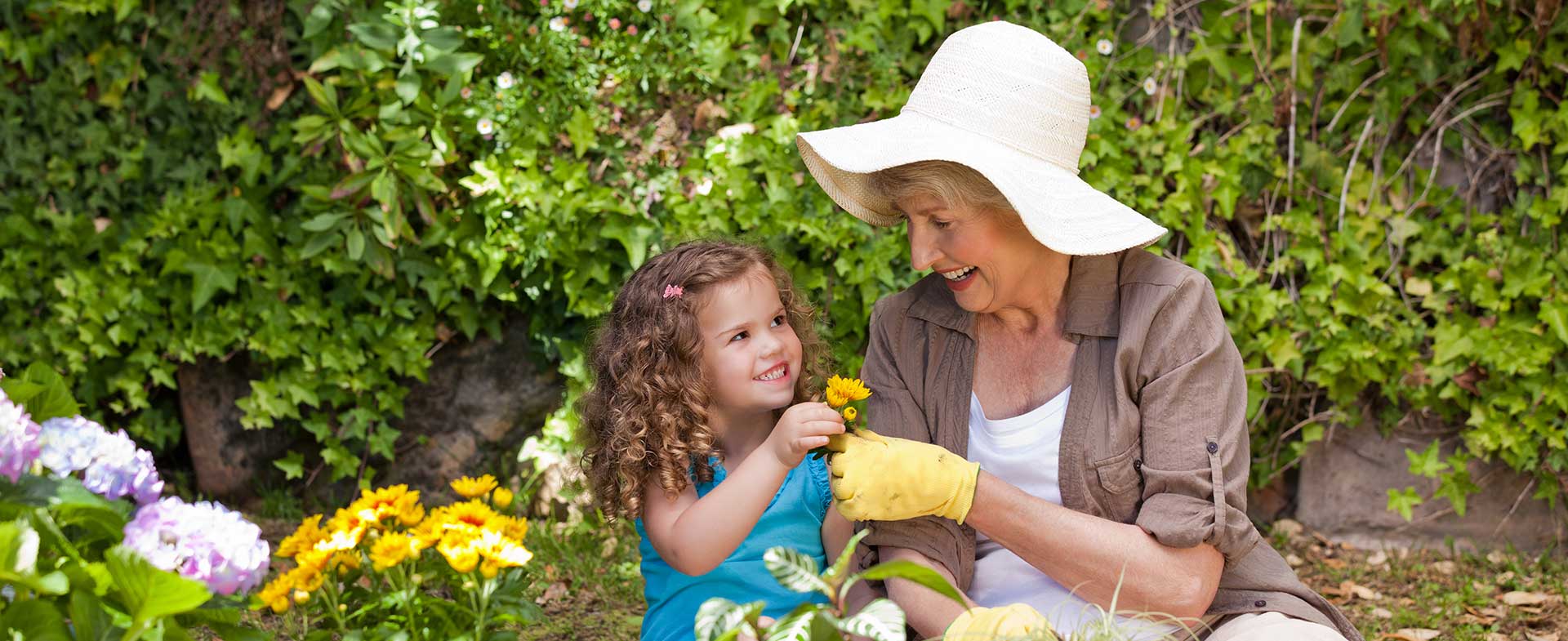
Designing child-friendly outdoor spaces is a rewarding venture for parents, caregivers, and gardening enthusiasts alike. Kids who participate in outdoor activities like gardening tend to be healthier, happier, and more connected to nature. However, ensuring safety and age-appropriate engagement is key. In this comprehensive guide, we'll explore how to create a safe and exciting gardening environment that is truly kid-approved.
Why Involve Kids in Outdoor Gardening?
Gardening offers much more than just attractive landscapes or fresh produce--it's an invaluable opportunity for growth and education.
- Physical Activity: Digging, planting, and watering burns energy and builds strength.
- Education: Children learn about science, math, and the environment organically.
- Sensory Stimulation: Kids experience a world of textures, smells, sounds, and colors.
- Emotional Wellbeing: Time outdoors reduces stress and boosts moods.
But, before you hand out a trowel, establishing a secure environment is essential. Here's how to create a fun, inclusive, and safe gardening zone for kids.
1. Planning Your Kid-Friendly Outdoor Garden
Assess Your Space with Safety in Mind
Start with a thorough inspection of your yard or outdoor area:
- Check for hazardous objects: Remove sharp tools, glass shards, or debris.
- Secure boundaries: Fences or hedges minimize risks from traffic or animals.
- Inspect for poisonous plants: Identify and remove toxic species (like foxglove, oleander, or lilies).
Design Zones for Play and Learning
To maintain order and safety, create dedicated zones:
- Play Area: Equipped with soft surfaces and age-appropriate structures.
- Garden Beds: Raised beds work best for kids, as they reduce bending and define boundaries.
- Tool Station: Secure unit for kid-sized, blunt-edged gardening tools.
Pro Tip: Mark paths with stepping stones or mulch to guide little feet and avoid trampling seedlings!
2. Choosing the Right Plants for Kid-Approved Outdoor Spaces
Prioritize Non-Toxic Plants
Children are curious and tend to touch, smell, and--sometimes--taste. Go for non-toxic, child-safe vegetation such as:
- Sunflowers - Fun to watch grow, with edible seeds.
- Snapdragons and Marigolds - Bright, non-toxic, and hardy.
- Herbs - Basil, mint, and parsley are aromatic and edible.
- Strawberries and Cherry Tomatoes - Sweet, rewarding, and safe for little harvesters.
Incorporate Sensory Elements
Kids love gardens that tickle their senses. Try these additions for a rich sensory experience:
- Touch: Lamb's ear and succulents for their unique textures.
- Smell: Lavender, rosemary, and scented geraniums bloom with fragrances.
- Sight: Plant flowers in every color of the rainbow to keep kids visually engaged.
3. Safe Gardening Practices for Children
Use Kid-Sized Gardening Tools
Equip young gardeners with age-appropriate tools. Blunt ends, lightweight materials, and easy-to-grip handles reduce risk and allow them to participate comfortably.
- Plastic or wood trowels for digging
- Sturdy gloves to protect little hands
- Knee pads or foam mats for comfort
Model Safe Behavior
Demonstrate proper tool use, hand washing, and safe handling of plants. Establish clear rules: no running, no eating unknown plants, and no sharp tools without supervision.
Encourage Supervised Exploration
Always keep an eye on children while they explore the garden. Supervision helps prevent accidents and allows for quality teaching moments.
4. Fun Activities for Kids in the Garden
Let Them Choose What to Plant
Give your child agency by letting them pick seeds and plants. Participation fosters ownership and excitement--and they'll be thrilled to watch "their" plants thrive.
Creative Garden Projects
- Craft garden markers - Use painted rocks or popsicle sticks to label plants.
- Build a bug hotel - Stack sticks and hollow stems for bees and ladybugs.
- Make a fairy or dinosaur garden - Encourage imaginative play with miniature figures.
Include Water Play--With Care
Kids love water, so include watering cans or spray bottles in garden tasks. Always monitor water features or open containers to eliminate drowning risks. If you add a pond, opt for shallow, securely-covered designs.
5. Teaching Kids About Safety and Nature
Practice Sun and Bug Safety
- Apply sunscreen and dress in hats and light clothes during gardening time.
- Check for ticks and pests after outdoor play.
- Teach respect for bees and insects, encouraging observation rather than interference.
Introduce Basic First Aid
Avoid injuries by keeping a small first aid kit nearby and teaching children how to handle minor scrapes or stings. Role play helps reinforce learning and preparedness.
Explain Garden Rules and Nature Etiquette
- Leave wildlife alone - Observe, don't touch, birds and pollinators.
- Only eat with adult approval - Many safe plants have lookalike "cousins" that can be harmful.
- Wash hands after working with soil, plants, or fertilizers.
6. Designing Accessible and Inviting Kid Spaces
Pathways and Accessibility
- Wide, non-slip paths help kids and adults move safely, even with mobility aids or strollers.
- Low edges make garden beds easier to reach for small children.
Outdoor Seating and Shade
- Include benches, picnic tables, or tree stumps for snacks and breaks.
- Install umbrellas or plant fast-growing shade trees for sun protection.
Decorative and Interactive Elements
- Wind chimes, bird feeders, and butterfly houses attract wildlife and stimulate curiosity.
- Chalkboards or easels allow for outdoor creativity and garden planning.
7. Gardening Safety: Chemical and Fertilizer Precautions
Opt for Organic Methods
For kid-safe gardening spaces, avoid chemical fertilizers, herbicides, and pesticides. Instead, embrace composting, crop rotation, and natural pest control methods like neem oil or hand-picking bugs.
Store Supplies Securely
- Keep all garden chemicals (even organics) in a locked shed, well out of reach.
- Label watering cans and spray bottles clearly so children do not misuse them.
8. Easy-to-Start Kid-Friendly Garden Ideas
Pizza Garden
Grow tomatoes, basil, oregano, peppers, and onions in a fun pizza-shaped bed. Later, harvest and make homemade pizza together!
Butterfly or Pollinator Patch
Plant milkweed, zinnias, and butterfly bush to attract pollinators. Watch the life cycle of butterflies up close--a winning experience for young learners.
Salad Bowl Garden
Use a large container to grow baby greens like spinach, lettuce, and radishes. Kids can pick, rinse, and eat right from the garden--instilling healthy eating habits early.
9. Encouraging a Love of Gardening Year-Round
Indoor Gardening Activities
- Grow windowsill herbs in winter so kids stay engaged.
- Sprout seeds in jars and track growth together for science lessons.
Plan for Seasonal Fun
- Spring: Start seeds and prepare garden beds.
- Summer: Focus on watering, weeding, and harvesting.
- Fall: Rake leaves for compost and plant bulbs.
- Winter: Craft with pine cones, dried flowers, or design next year's garden together.

10. Frequently Asked Questions About Kid-Friendly Gardening
What is the safest way for kids to participate in gardening?
Direct supervision is always recommended. Choose non-toxic plants, supply age-appropriate tools, and set clear rules for safe participation.
How can I teach my child about plant safety?
Show them which plants are safe, what not to touch, and involve them in washing hands and produce. Make it fun with games or songs about garden safety.
Are there common gardening dangers to watch for?
Yes. Watch for sharp tools, toxic plants, exposed water, aggressive insects, and strong sun or heat. Take active steps--removing hazards and teaching awareness--to minimize risks.
Conclusion: Creating Lasting Memories Through Safe, Kid-Approved Gardening
With planning, creativity, and careful supervision, developing outdoor spaces for kids to safely enjoy gardening is both achievable and deeply fulfilling. You'll nurture not only plants, but also a child's confidence, curiosity, and connection to nature. The tips outlined--ranging from choosing the right plants to practicing safety and creativity--will help you cultivate a kid-friendly garden that's bursting with fun and learning. So dig in and watch both your garden and your children blossom!
Ready to transform your yard? Share your questions and experiences below, and let's grow safe gardening joy together.
Latest Posts
Innovative Hedge Trimming: Shapes That Impress
Building a Weather-Resistant Garden Oasis
Ultimate Gardening Tools for Nature Enthusiasts