
 020 3744 3778
Grow your garden savvy with 9 beginner-friendly tips
Posted on 28/08/2025
Grow Your Garden Savvy with 9 Beginner-Friendly Tips
If you're eager to start your own garden but don't know where to begin, you're not alone. Thousands of budding gardeners have asked: "How do I grow a thriving, beautiful garden as a beginner?" Luckily, you've landed in the right place! Growing your garden savvy isn't as complicated as it may seem. By learning and applying some essential strategies, even those with zero experience can build a lush, flourishing outdoor (or indoor!) sanctuary.
This comprehensive guide delivers nine beginner-friendly gardening tips, catering to first-timers and those looking to refresh their green thumb. From selecting the right spot for your garden to understanding the basics of plant care, these actionable tips will help you grow your garden wisdom and ensure long-lasting, healthy growth for all your plants.
Why Start a Home Garden?
Before diving into the tips, let's explore the value of cultivating your gardening savvy. Engaging with your garden brings a multitude of benefits:
- Enhanced health and wellness: Growing your own vegetables and herbs means fresher, nutrient-packed produce at your fingertips.
- Stress relief: Gardening is a proven way to boost mental health, reduce anxiety, and find profound relaxation.
- Savings: Producing even a small fraction of your groceries yields considerable cost savings over time.
- Aesthetic pleasure: Beautiful flowers, sprawling vines, and neat beds elevate your home's curb appeal and personal joy.
- Connection: Whether you garden alone or with family, witness the magic of growth and connect with nature daily.
Ready to get started? Let's cultivate your garden expertise with these 9 indispensable tips for beginners!
1. Choose the Right Garden Location
Sunlight, Accessibility, and Soil--Setting the Stage
The first step to maximizing your gardening success is picking the best possible site. Most vegetables, herbs, and flowers need at least 6-8 hours of sunlight per day. Here's how to find the optimal garden spot:
- Observe the sun's path: Over several days, note which sections of your yard, balcony, or patio receive full sun, partial shade, or full shade.
- Check accessibility: Make sure your chosen spot is easy to reach for watering, pruning, and harvesting. Gardening should not be a chore!
- Test the soil: Try a simple "squeeze test" by grabbing a handful of soil. If it's crumbly and doesn't stick together, that's ideal; dense, clay-like soil or sandy soil may need some amendments.
Pro Tip: If you lack yard space, don't worry--container gardening or windowsill gardens give you endless possibilities to grow plants indoors or in small spaces.
2. Start with Easy-Grow Plants
Discover Which Plants Thrive in Your Region
One of the best ways to build your gardening confidence is to pick beginner-friendly plants--species that require minimal maintenance, tolerate a bit of neglect, and are resilient to pests and diseases. Here are some universally loved "starter" plants:
- Herbs: Basil, mint, parsley, chives, and cilantro
- Vegetables: Lettuce, radishes, cucumber, peas, and cherry tomatoes
- Flowers: Marigolds, zinnias, nasturtiums, and sunflowers
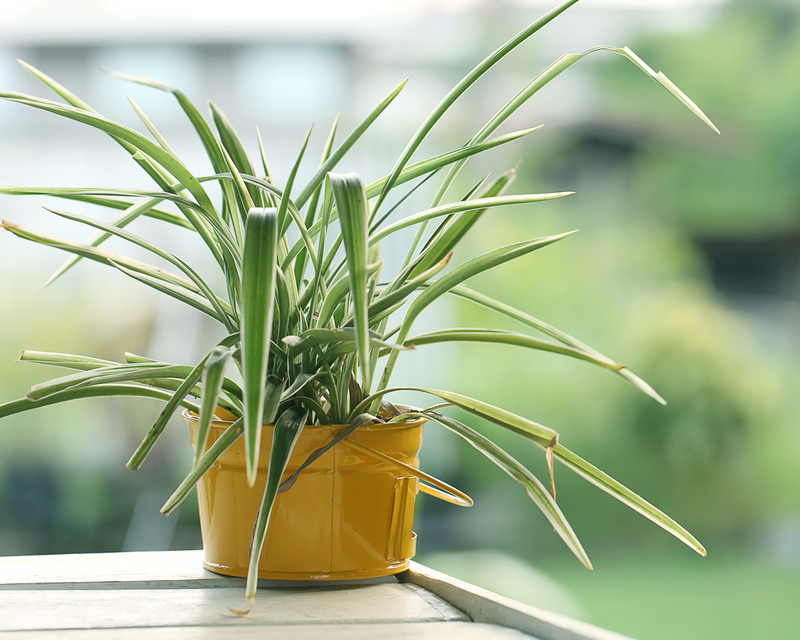
- Houseplants: Spider plant, pothos, peace lily, and snake plant
Research your USDA Hardiness Zone or local climate and select varieties best suited for your area.
3. Invest in Essential Gardening Tools
Gather the Basic Equipment for Success
Save yourself time, effort, and frustration by having a few key tools on hand. You don't need to break the bank--just look for quality over quantity. The must-haves include:
- Hand trowel and cultivator: For digging, transplanting, and breaking up soil.
- Pruners: Essential for trimming stems and shaping plants.
- Watering can or hose: Especially important for delicate seedlings or container gardens.
- Gloves: Protect your hands from thorns, splinters, and soil-borne bacteria.
- Garden fork or spade: Helpful for turning over larger areas or incorporating compost.
Clean your tools after every use to extend their lifespan and prevent the spread of disease.
4. Understand Your Soil & Feed It Well
Happy Roots Lead to Healthy Plants
Your plants' ultimate success depends on the health of your soil. The best soil is a rich, crumbly loam that retains water but also drains well, loaded with nutrients and beneficial microbes. Here are crucial steps to grow your garden savvy with soil knowledge:
- Test your soil's pH: Most garden plants prefer a neutral to slightly acidic pH (around 6-7). Simple home test kits are widely available.
- Add organic matter: Compost, well-rotted manure, shredded leaves, or worm castings will help feed your soil and improve structure.
- Mulch regularly: Applying a 2-3" layer of mulch (straw, wood chips, or leaves) preserves moisture, reduces weeds, and adds organic matter over time.
- Feed plants: Use gentle, all-purpose fertilizers in moderation, or stick with regular compost top-ups for a natural boost.
Tip: Healthy, living soil is the foundation of every vibrant garden--never neglect it!
5. Master the Art of Watering
When, How, and How Much to Water
Watering is a common stumbling block for beginner gardeners. Over-watering can be just as damaging as under-watering. Use these guidelines to cultivate your watering expertise:
- Water deeply, not daily: Aim for fewer, deep waterings instead of light sprinkles. This encourages roots to grow downward, seeking moisture.
- Water in the morning: Prevent fungal diseases and loss due to evaporation by watering early in the day.
- Mind the plant's needs: Seedlings and containers dry out faster than mature in-ground plants. Check the soil 2 inches below the surface; if dry, it's time to water.
- Focus on the soil, not the leaves: Wet leaves can invite disease. Always target the base of the plant.
Remember: Different plants have different needs--read up on your chosen varieties for specific watering instructions.
6. Learn to Identify and Manage Weeds
Outsmart the Weeds Before They Take Over
Weeding might not be anyone's favorite task, but it is crucial for a thriving garden. Weeds steal water, nutrients, and sunlight from your plants. Here's how to grow your garden savvy and outsmart the competition:
- Mulch as a preventive: A thick layer of mulch smothers weeds before they start.
- Weed regularly: Pull weeds when they are small and easy to remove--do it often so they don't set seeds.
- Use the right tool: A hoe or hand fork makes quick work of large areas.
- Identify persistent weeds: Some, like crabgrass or dandelions, require getting the root out to prevent regrowth.
Tip: Set aside 5-10 minutes each day for weeding--it's easier than all at once and becomes meditative.
7. Encourage Pollinators and Beneficial Insects
Support Your Garden's Natural Helpers
Creating a healthy, bustling garden ecosystem means more yield, less pests, and spectacular blooms. Welcome "good bugs" and pollinators by:
- Planting native flowers: Species like coneflowers, black-eyed Susans, and asters attract bees and butterflies.
- Providing water: Shallow dishes with pebbles allow bees to drink safely.
- Avoiding chemical pesticides: These harm friendly insects as well as pests--use organic controls or hand-picking instead.
- Growing a diversity of plants: A mix of flowers, herbs, and veggies supports beneficial insects that prey on pests.
Fun Fact: Ladybugs, lacewings, and hoverflies are voracious eaters of aphids--invite them by planting dill, fennel, or yarrow nearby!
8. Keep a Garden Journal
Track, Learn, and Improve Year to Year
One of the fastest ways to develop your garden knowledge and expertise is to record your journey. A simple notebook or app can help you:
- Track planting dates: Note what you planted and when for better planning next season.
- Monitor successes and failures: What varieties thrived? Which ones struggled? Write it down to adjust next year.
- Record watering, fertilizing, and weather: Patterns may emerge that explain changes in your garden.
- Sketch your layout: Helps rotate crops and avoid planting the same family in the same spot, reducing disease and pest issues.
The most successful gardeners are those who learn from experience. Your own records will be invaluable over time!
9. Embrace the Process--Patience is Key
Cultivate Not Just Plants, but a Love for Gardening
Finally, the most important tip of all is to enjoy the gardening journey. Not every seed will sprout and not every plan will work out the first time. But that's okay! Building garden savvy and expertise is a process of learning, observing, and adapting. Here's how to stay positive:
- Savor small wins: The first sprouting seed or first tomato is cause for celebration.
- Seek community: Join a local garden club, ask neighbors, or participate in online forums.
- Stay curious: Research, experiment, and don't be afraid to try new things.
- Remember why you started: Let the joy of nature and the satisfaction of growing something yourself keep you motivated through setbacks.
Patience and consistency are your greatest allies.
Conclusion: Growing Your Garden Savvy is Easier Than You Think
Armed with these 9 beginner gardening tips, you're now empowered to grow your garden savvy from day one. Whether you're cultivating a vegetable patch, a flower-filled oasis, or a mini herb garden, every effort you make brings you closer to being a true garden expert.
Remember: The best gardens are grown not just with hands, but with heart and curiosity. Start today, and in no time, you'll reap the beauty and bounty of your very own garden!
Happy gardening!
Latest Posts
Innovative Hedge Trimming: Shapes That Impress
Building a Weather-Resistant Garden Oasis
Ultimate Gardening Tools for Nature Enthusiasts