
 020 3744 3778
Plant. Grow. Change: Gardening For A Stable Climate
Posted on 13/09/2025
Plant. Grow. Change: Gardening For A Stable Climate
Imagine transforming your own backyard into a powerful tool for positive environmental change. Whether you're an experienced gardener or curious green thumb, sustainable gardening has a vital role to play in stabilizing our climate. This comprehensive guide provides essential insights, practical tips, and inspiring examples of how gardening can contribute to climate stability--and how you can be part of the movement to plant, grow, and change our world for the better.
Why Gardening Matters in the Fight Against Climate Change
Climate change is at the forefront of global conversations. While policy reforms and green technologies are critical, individual and community gardening offers a hands-on, accessible, and impactful approach to environmental stewardship. From soil carbon storage and biodiversity enhancement to urban cooling and mental well-being, gardening for climate stability encompasses far more than just planting flowers or growing food.
How Does Gardening Influence the Climate?
- Carbon Sequestration: Plants absorb carbon dioxide (CO2) from the atmosphere and store it in their roots, stems, and leaves. Healthy soil, rich in organic matter, is a powerful carbon sink.
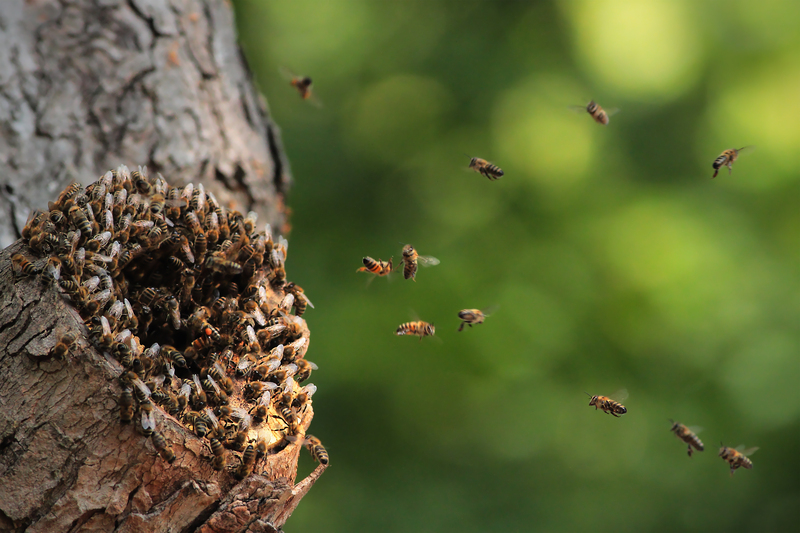
- Biodiversity Support: Diverse gardens provide crucial habitat for pollinators, birds, and beneficial insects, fostering ecosystem resilience.
- Temperature Moderation: Green spaces cool the environment, reduce the urban heat island effect, and aid in water retention.
- Reduction of Carbon Footprint: Growing your own food reduces the need for transportation, packaging, and synthetic inputs, all of which have significant carbon costs.
By choosing to cultivate a climate-resilient garden, you're not only creating a sanctuary for yourself but also contributing directly to global efforts to stabilize the climate.
Essential Principles of Climate-Smart Gardening
Climate-smart gardening focuses on strategies that both mitigate climate change and adapt to evolving environmental conditions. Let's dig deep into the core principles to guide your journey:
1. Grow Native and Climate-Resilient Plants
- Native plants support local biodiversity, require less water, and generally need fewer fertilizers or pesticides.
- Choose drought-tolerant or climate-adapted species to ensure long-term success as temperature and precipitation patterns shift.
- Consider edible perennials, which offer food year after year with minimal soil disturbance.
2. Build and Protect Healthy Soil
- Add organic matter (like compost or mulch) to enhance the soil's capacity to store carbon and retain moisture.
- Practice no-till or low-till gardening to preserve soil structure and microbial life.
- Utilize cover crops to prevent erosion and naturally enrich the soil.
3. Practice Water Wisdom
- Collect rainwater in barrels or install swales to catch runoff.
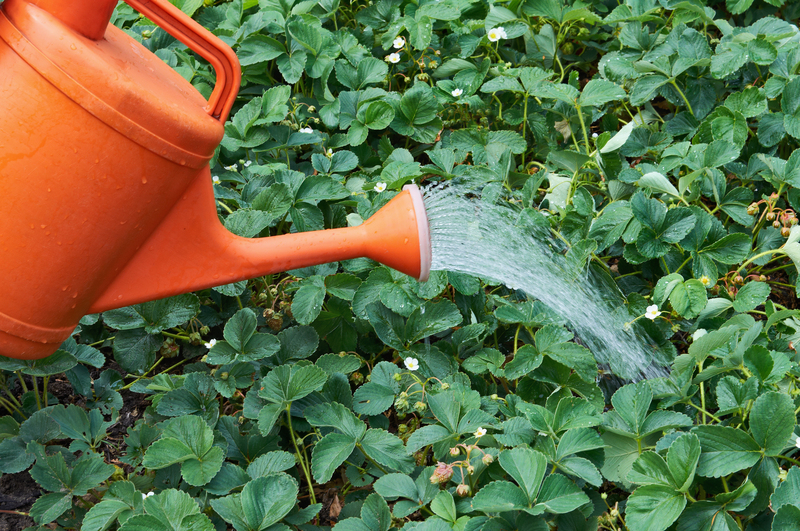
- Group plants with similar water needs and use drip irrigation for maximum efficiency.
- Mulch generously to maintain soil moisture and cool the ground.
4. Avoid Harmful Chemicals
- Opt for natural pest controls and biological solutions over synthetic chemicals.
- Use organic compost instead of synthetic fertilizers, which contribute to greenhouse gas emissions.
5. Grow Your Own Food
- Start small with herbs or leafy greens, then expand to fruits, vegetables, or even small fruit trees.
- Participate in community gardens if you lack space; you'll reduce your food miles while strengthening local networks.
Benefits of Climate-Friendly Gardening
Gardening for a stable climate offers personal and planetary benefits, blending sustainability and well-being.
Environmental Benefits
- Lower Greenhouse Gas Emissions: By storing carbon in plants and soil, gardens act as micro carbon sinks.
- Increased Pollinator Presence: Supporting pollinators helps secure food supplies and maintain healthy ecosystems.
- Improved Water Management: Better soil health reduces runoff and improves groundwater recharge.
- Less Waste: Home composting of garden and kitchen waste reduces landfill contributions.
Personal and Community Benefits
- Enhanced Food Security: Homegrown produce is fresh, nutritious, and free from chemical additives.
- Mental and Physical Health: Spending time outdoors and engaging in physical activity boosts well-being and reduces stress.
- Connection and Education: Gardening fosters a sense of stewardship and community involvement, especially when shared with neighbors or local groups.
Top Eco-Friendly Gardening Practices for Climate Stability
Ready to take actionable steps? Here's a comprehensive list of eco-friendly gardening techniques that will help you create a garden that both thrives and supports the climate.
- Composting: Turn food scraps and garden waste into nutrient-rich compost, feeding the soil and keeping organic matter out of landfills.
- Permaculture Design: Mimic natural ecosystems by integrating perennial food plants, rainwater harvesting, and layered plantings.
- Polyculture and Crop Rotation: Grow a variety of crops together to prevent disease, improve yields, and symbiotically enhance soil nutrients.
- Mulching: Cover bare ground with leaves, straw, or wood chips to conserve moisture, suppress weeds, and enrich the soil.
- Wildlife Gardening: Dedicate part of your garden to wildflowers, native grasses, or even a small pond to support birds, bees, and butterflies.
- Green Roofs and Walls: In urban areas, these innovative solutions provide insulation, reduce heat, and create vital habitat spaces.
- Reducing Lawn Areas: Lawns can be water- and chemical-intensive. Consider replacing part of your turf with low-maintenance alternatives like clover, groundcovers, or edible landscapes.
How to Start Your Climate-Positive Garden: A Step-by-Step Guide
- Assess Your Space: Understand sunlight, soil type, microclimates, and water availability in your yard or balcony.
- Set Climate Goals: Prioritize carbon storage, biodiversity, food production, or water conservation to guide plant and design choices.
- Research Native and Resilient Plants: Use local extension offices or native plant societies for region-specific advice.
- Plan Your Layout: Maximize biodiversity with mixed beds, edible borders, or layered plantings.
- Build Healthy Soil First: Add compost and mulch before you plant, and keep soil disturbance to a minimum.
- Install Sustainable Irrigation: Rain barrels, drip lines, or soaker hoses provide efficient watering with minimal waste.
- Plant and Mulch Generously: Space plants properly, and mulch pathways and beds to lock in moisture and suppress weeds.
- Monitor, Learn, and Adapt: Track the effects of your choices, experiment with adjustments, and join local gardening groups for support and idea sharing.
Overcoming Common Challenges in Climate-Conscious Gardening
Gardening for climate resilience isn't without its hurdles. Here's how to address some frequent obstacles--and why perseverance pays off:
- Drier or Hotter Weather: Install shade cloths, plant in the cool of the evening, and use drought-hardy varieties. Mulching is essential!
- Limited Space: Try container gardening, window boxes, and vertical gardens--every small effort contributes.
- Pests Without Chemicals: Attract beneficial insects, introduce birds, rotate crops, and use barriers or traps.
- Lack of Time or Resources: Start small; even a single tree or a few planters can make a difference. Team up with neighbors to share tools and labor.
Case Study: A Community's Garden-Driven Climate Action
In Asheville, North Carolina, a group of neighbors transformed a vacant lot into a thriving urban food forest. By focusing on native plants and edible perennials, they created a space that sequesters carbon, supports pollinators, acts as a rainwater sponge, and offers fresh produce to the neighborhood. Their garden has become a model for community-driven climate action, inspiring others to plant, grow, and change their local landscape for climate stability.
Get Involved: Join the Movement To Garden for a Stable Climate
Looking to deepen your impact? Here are ways to amplify your efforts and be part of the global gardening community committed to climate stability:
- Participate in community gardens or join citizen science projects monitoring pollinators or native plants.
- Share your successes and challenges online--inspire others with photos, tips, and climate-friendly gardening stories.
- Advocate for green space policies in your city or support local environmental groups.
- Support nurseries and seed companies that prioritize native and climate-adapted species.
Conclusion: Your Garden, The Climate, and the Path Forward
A garden is more than a collection of plants--it's a reflection of hope and action for the climate. Plant, grow, and be the change you want to see, knowing that every seed sown is a step toward a more stable, resilient world. Whether you're cultivating a backyard haven, a balcony oasis, or a shared neighborhood greenspace, your commitment to climate-stable gardening is meaningful.
Together, let's plant. Let's grow. And let's change for a healthier, more sustainable climate--one garden at a time.
Resources for Further Reading
- Native Plants Database - Audubon
- Organic Gardening Advice - Garden Organic
- How Gardening Can Help Tackle Climate Change - WWF UK
- Climate-Change Gardening - RHS
Latest Posts
Innovative Hedge Trimming: Shapes That Impress
Building a Weather-Resistant Garden Oasis
Ultimate Gardening Tools for Nature Enthusiasts